

Magic in Manali
Abstract
Surrounded by the Himalayas, Lady Willingdon Hospital is a charitable Christian hospital in Manali, India. During this elective, I had the privilege of attending rural outreach camps visiting remote Himalayan villages. I gained exposure to medicine in its broadest sense in a rural, resource limited environment.
During this elective I took every opportunity to get involved in patient care. This involved taking histories, examining patients, presenting cases to consultants, assisting in theatre, designing a health education campaign, and attending rural health outreach camps. I saw conditions I had rarely or never encountered in New Zealand and also gained confidence managing common presentations.
I feel inspired by the breadth, humility and resilience of rural Himalayan doctors. The consultants and junior doctors at LWH managed patients across multiple specialties, often with limited resources and immense workload. Their practice showed me that rural medicine requires knowledge, practical skills, decision-making and the humility to recognise one’s limits.
This elective also gave me insight into the inequities people living in rural India face when accessing healthcare, including limited women’s health options, rural workforce shortages, geographical barriers and wider structural issues. In Spiti Valley, I also saw the importance of family, collective decision-making, land and culture, which helped me better understand the significance of whenua and whānau-centric care in Aotearoa New Zealand.
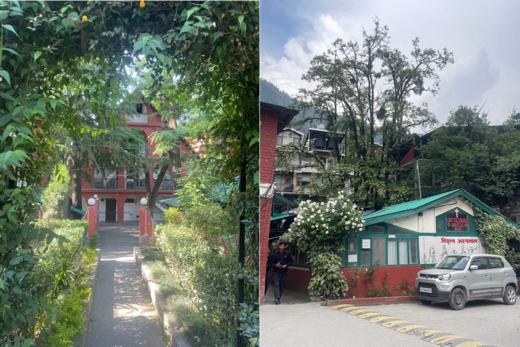
My accommodation, “Lal Kothi” (left), and the OPD building at LWH (right).
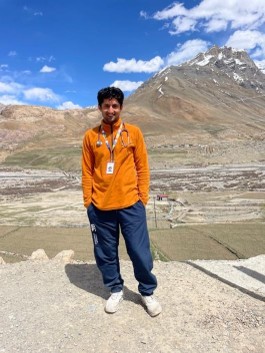
Rural Outreach Camp – Sagnam
Introduction:
When my friends in New Zealand ask about how my elective in Manali went, I “don’t have the words to describe it”. It was magic. I gained a once-in-a-lifetime experience, seeing a diverse range of conditions, scrubbing in on many surgeries, teaching a BLS course to hiking guides, interacting with patients 3650 m above sea level, and taking every opportunity to get involved in patient care. I learnt about medicine and surgery from the most knowledgeable consultants I have ever met. Himalayan consultants have a scope of practice that spans multiple specialities, as well as the humility to recognise their limits and know when to refer patients to higher centres. I feel inspired. I encourage future students to experience the magic themselves by doing their elective in the Himalayas or other rural areas of India!
My elective was at Lady Willingdon Hospital (LWH) located in Manali, India. It is a charitable, Christian hospital and a non-government organisation (NGO). Healthcare services are offered at subsidised prices, and financial support is available for patients facing hardship.
LWH has 55 in-patient beds and offers general surgery, general medicine, obstetrics and gynaecology and community health services. They also have an ICU, HDU and 24/7 emergency department. Physiotherapy, optometry, pharmacy and dental services are also offered at LWH.
My Goals for this elective were:
- Get involved in patient care and take every opportunity to learn under supervision
- Attend rural outreach camps and interact with locals
- Learn how to assess and manage a diverse range of conditions
- Scrub in to lots of surgeries and gain confidence in theatre
Clinical and Communication Skills
During my elective at LWH, I developed my clinical and communication skills by seeing patients in OPD (outpatient department), ED (emergency department), and during our rural health outreach camp in Kaza.
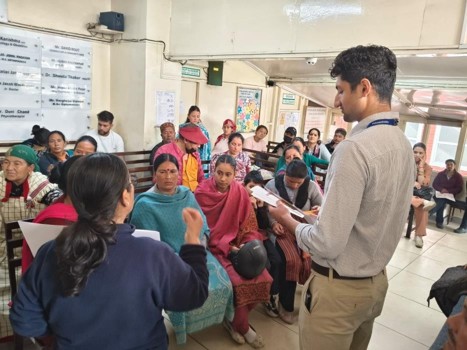
Delivering an education session about anaemia in the OPD waiting area
OPD:
In OPD, I was exposed to a large volume and a diverse variety of patients. When sitting my Progress Test during Week 1 of my elective, a lot of the MCQs were related to what I’d already seen in clinic. It was inspiring to see the general surgeons, Dr Philip and Dr Alisha, take on the role of GPs in OPD and treat patients holistically; their knowledge of medicine spanned across many specialities. The way Dr Philip communicated and interacted with patients in Manali reminded me of Dr Bradley in Kaitaia. They both knew the locals and their families well and often joked and laughed with the patients to make them comfortable. I took every opportunity in OPD to take histories and examine patients. I’d then present them to the consultants, and we’d discuss the patient’s management plan. It was also very valuable observing Dr Philip and Dr Alisha interact with patients. I paid close attention to how they communicated with patients, took histories, chose investigations and developed management plans. I admired how calm and kind they remained despite their high workload.
ED:
In the ED, I had many opportunities to see patients, as there was only one junior doctor on duty. This helped me build confidence in taking histories in Hindi. I admired how the junior doctors worked under immense pressure and worked together with the nurses to manage a full ED. I helped by taking histories, examining patients and ordering investigations. Some of the presentations I now feel confident in the assessment, investigation and treatment of are: high altitude sickness, chest pain, gastroenteritis, worm infections, hyperglycaemia, head trauma, dog bites, acute abdominal pain, pneumonia and febrile children.
A hands-on experience was a mass casualty which occurred during Week 2 of my elective. A bus carrying a Hollywood film crew had flipped. Thankfully, no patients were seriously injured. However, our ED became overwhelmed with a rush of injured patients, giving me the opportunity to get involved in patient care. Through this experience, I learned how to triage patients and identify those who were most critically unwell. I helped the team by assessing patients following the XABCD approach. This also involved screening for raised intracranial pressure and internal bleeding. The consultants performed FAST scans on all the patients while I took histories from the patients who weren’t acutely unwell and helped send patients for X-rays. I also assisted the orthopaedics consultant in suturing a scalp wound. This became important later that night when another patient presented with head trauma. I was able to administer local anaesthetic and suture the scalp wound under supervision.
Another experience was when an unexpectedly high volume of patients presented to ED overnight. This was due to a nationwide pharmacy strike, meaning patients had to come to ED to get their regular medication. Dr Rajat, the junior doctor on-call, and I initially managed the patients but had to call the on-call consultant for help when the ED became overwhelmed. Especially when 10 children also presented to ED with a likely viral fever. I contributed to the team by helping my consultant assess the children by taking their histories, examining them and preparing their admission notes. Through these experiences in ED, I learnt to remain calm under pressure, prioritise the most unwell patients, and work as a team to provide care.
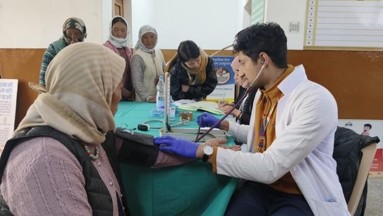
Helping the nurses screen patients during rural outreach camp in Tabo
Kaza Rural Outreach Camp:
Kaza is a small town located in the western Himalayas at 3650 m above sea level. This was our home base for 1 week, as we visited some of the most remote villages in the world for our rural health outreach camps.
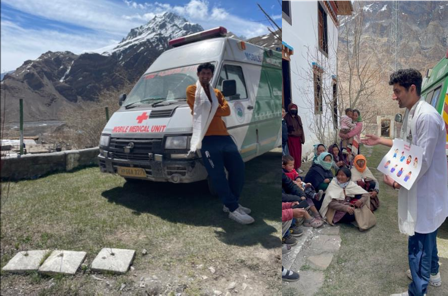
Rural Outreach Camp – Lossar Valley, teaching patients about anaemia
In Kaza, I helped the team by seeing patients and then presenting them to the consultants. Our camps had a portable ultrasound machine, a small laboratory set-up and a mobile medical unit which housed our pharmacy. I decided to guide and follow most of my patients through their entire journey through the camps. One of my patients was a man from Nepal with food poisoning, but he also mentioned some renal symptoms when I did his systems review. As a result, we arranged an ultrasound KUB. I followed their whole journey from history-taking, presentation to the consultant, investigations, and finally picking up their medication from the pharmacy. In the end, the patient said, “Itna humaare liye koi nahi karta”. This translates to “no one does this much for us”. He also shook my hand. Through this experience, I learnt that even small gestures such as showing patients where to get their ultrasound can play a big role in them feeling supported and safe, especially for migrant workers, who tend to have high healthcare needs but low expectations because they are too shy or unsure how to advocate for themselves. I also learned that if I take a comprehensive history and take time with my patients, they will feel comfortable revealing more details about their health. If I had rushed the patient and not done a systems review, it’s likely they would not have told me about their renal symptoms and missed out on an important medication.
Personal and Professional Skills
Through my experiences in LWH, I’ve realised that I enjoy working in rural areas. I experienced a similar realisation during my rural placement at Kaitaia Hospital in New Zealand. I feel the most special part about working in a rural area is the people and how
welcoming they are. In Kaitaia, this involved patients sharing their secret snorkelling spots with me. In India, locals shared their traditions and culture. There is a strong sense of community in rural areas and people are keen to share it.
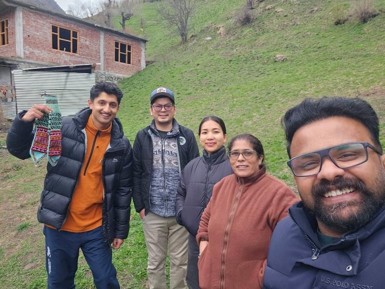
Orthopaedics outreach camp in Madgram. Posing with my local handmade socks
Initially, a personal challenge I experienced during my elective was the feeling that I was not contributing in the clinical environment. This occurred in the first couple of days during my elective. After seeing the junior doctors work so hard, I really wanted to help and feel a part of the team too. However, I was a bit shy and unsure. I overcame this challenge by asking my consultants for tips and motivating myself to give everything a try. Dr Philip suggested I spend time in the ED with the junior doctors and learn about the assessment and management of patients. In ED, I gained confidence in taking patient histories in Hindi. One of the first cases I contributed to the management of in ED was a young man who had ingested approximately 30 paracetamol tablets. The junior doctor and I worked together to manage the patient. One of the challenges we faced was deciding on the N-acetylcysteine dosing regimen, especially because it had to be adjusted due to a shortage of N-acetylcysteine at the pharmacy. This was also the first case I presented on the ward round; I remember feeling really good because I felt like I belonged in the team and contributed to the ward round!
Although costs were subsidised and financial support was available, most patients at LWH had to pay for consultations, investigations and treatment. Having only worked in a free public healthcare system, I’d never thought about the costs of the services we provide. Since the investigations I would suggest would have a direct cost to the patient, I hesitated to suggest investigations on my own. Instead, I made sure to present the history and examination to the consultant before arranging investigations. Over time, I gained an understanding of when certain investigations were indicated. As expected, the indications were the same as what I’d experienced in New Zealand. Through this experience, I learned that while we should use our resources thoughtfully, the priority is always for patients to receive the best care possible. I also learned the importance of initiatives such as the patient hardship fund at LWH, which helps patients experiencing financial hardship access medical care and removes cost as a barrier to accessing care.
Another challenge was the availability of treatments. An example of this is the availability of Mirena IUD. I noticed that women only had the copper IUD. The Mirena IUD was often not discussed as a contraception option or even as a treatment for heavy menstrual bleeding, likely because of barriers such as cost and availability in a rural setting.
When following my patients to the mobile pharmacy during the busy rural outreach camps, I observed patients being given multiple medications with many verbal instructions on how to take them. Shortly after, when some patients were unsure, they asked me to repeat the instructions. I was personally not able to remember them either. I realised that after our camp, these patients would not have access to a pharmacist to clarify the instructions again, so I made sure to ask the pharmacist to explain them again. Through this experience, I learnt how difficult it can be to retain medical information, especially for patients who are receiving several new medications at once. I feel that we can help patients feel more confident and improve medication adherence by taking the time to write simple easy-to-read instructions.
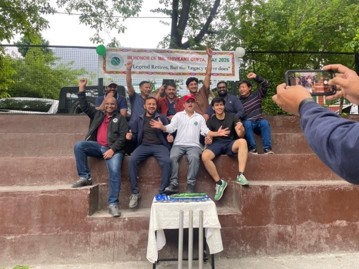
Prize giving after the hospital cricket game (our team lost, but we still had fun!)
At LWH, I also looked after my personal well-being by engaging in activities outside of medicine, such as playing cricket in the evenings, volunteering at a Sunday school for kids, hiking and running.
Applied Science in Medicine
After returning to New Zealand from my elective in Manali, I feel I understand medicine better. I feel confident that I can contribute to patient care in the clinical environment as a Trainee Intern. I gained experience across a broad range of specialities, including general surgery, O&G, orthopaedics, urology, radiology, general practice, and ED. I’ve never done a clinical placement where I’ve experienced so many different areas of medicine. I also feel a sense of belonging in the hospital. I know medicine is where I am meant to be and I enjoy it a lot.
In addition to the clinical skills discussed above, another area where my knowledge developed significantly was radiology. At LWH, there was no radiologist, so the junior doctors and consultants had to interpret X-rays and CT scans themselves until the outsourced reports arrived. This also allowed me to be hands-on with the physical radiology films and review each one myself. Initially, my ability to interpret imaging was poor because I was so used to having a digital copy on the computer, which I could zoom in on and adjust the contrast settings. I also realised that in New Zealand, I tend to go straight to the radiologist report, which limits my own learning. With repeated exposure to X-rays and CTs in ED and OPD, and teaching from the consultants, I now feel confident in the basics of chest X-rays, abdominal X-rays, spine X-rays and CT abdomen and pelvis. Some of the common X-ray findings I saw were pneumothorax, pleural effusion, pneumonia, congestive heart failure, vertebral body fractures and bowel obstruction.
A recent patient I assessed was a 36-year-old man who presented with back pain and reduced spinal movement after falling approximately 30 feet downhill onto ice. I reviewed his spine X-ray and correctly identified a T12 compression fracture. Another example was a man in ED who presented with umbilical pain and straining while passing stool. I reviewed his abdominal X-ray and identified faecal loading. The consultant also taught me a systematic way of reading CT scans. Overall, after my placement in LWH, I feel I have a stronger foundation in radiology, which will help in my upcoming ED and general medicine rotations. I’m excited to keep improving, so I can become a better house officer next year.
I also learned about conditions which I had not encountered previously in New Zealand. Some memorable cases included spinal TB, cauda equina syndrome, abdominal TB, abdominal cocoon, liver abscess, pancreatic tumour, hydatid cysts, venomous snake bite, retrosternal thyroid goitre and a wide range of infections such as roundworm.
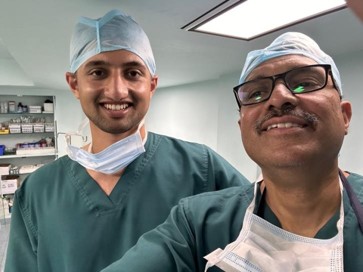
Last day in theatre with my supervisor Dr Philip
During this elective I got to assist in theatre every week. Some procedures I assisted with were fasciotomy of the forearm, humerus plating and bone grafting, c-section, lap cholecystectomy, nephrectomy, incisional hernia repair, open cholecystectomy and bile duct
exploration, open appendicectomy, hydrocelectomy, debridement of pressure wound, keloid scar excision and skin grafting. After scrubbing in regularly, I became more comfortable in theatre and more familiar with surgical instruments and techniques. I gained confidence holding retractors, using forceps, cutting sutures, maintaining exposure, assisting with suction, handling tissue gently, and closing skin using vertical mattress and running subcuticular suturing techniques. From our laparoscopic cholecystectomy cases, I learnt how to hold and retract the gallbladder fundus to help provide exposure during dissection. I also observed colonoscopies and endoscopies where I saw pathology such as hiatus hernias, pancolitis and bowel cancer. I also observed urological procedures such as cystoscopy, ureteroscopy, lithotripsy and DJ stenting.
Hauora Māori and Cultural Awareness
India has approximately 104 million tribal and Indigenous people (1). I had the privilege of meeting people from tribal backgrounds during our rural health outreach camp in Kaza, Spiti Valley. Similar to Māori models of health, the people of Spiti Valley believed in holistic and collective decision-making. In clinic, family members such as aunties, uncles, parents and children supported the patient in their decision-making. This reminded me of whakawhanaungatanga and the importance of whānau-centric care, where our management plan must consider the health of the collective rather than just the health of the individual. I also learned that the people in Spiti Valley had a strong connection to their environment. For example, the mountains in Spiti Valley held spiritual significance and were deities.
Personally, when visiting my own ancestral land in India, I felt comfort. I feel my mental well-being had never been better. This helped me appreciate that healing is connected to land and culture. I now better understand the significance of whenua for Māori and the importance of their environment and ancestral lands for their health.
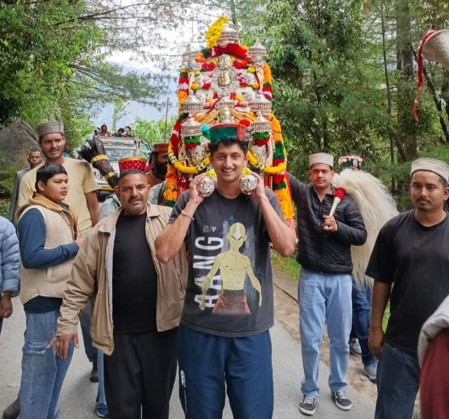
Feeling the Magic in Manali
During our outreach camps, I also gained insight into the barriers people in Spiti Valley face in accessing healthcare. One of the villages we visited was called Sagnam. There, we set up camp inside a PHC (Primary Health Centre). It was run by a passionate local doctor who told us about the difficulty women face in accessing antenatal care. The nearest ultrasound services were over 100 km away. Furthermore, pregnant women had to travel for hours to reach a hospital where obstetric services were available and they could safely give birth. This is also associated with travel costs such as fuel and accommodation. This reminded me of similar inequities in rural New Zealand. For example, at Kaitaia Hospital, patients had to travel several hours to Whangārei Hospital to access specialist care or investigations such as a CT scan. Even though the ambulance and rescue helicopter were available for the acutely unwell patients, most patients in Kaitaia would then face challenges organising accommodation in Whangārei and funding travel for follow-up clinic visits.
By travelling to these remote communities, our team was able to provide care to people who may otherwise have missed out. LWH’s rural outreach camps helped address barriers to accessing care. For example, Dr Bishan was also trained in ultrasound and brought his portable ultrasound, which he used to do antenatal scans on pregnant women. We also offered gynaecological services, including cervical screening.
A common theme across the government PHCs and the Civil Hospital in Spiti Valley was staffing limitations and basic infrastructure issues. Despite this, the nurses, doctors and other healthcare workers remained resilient and often worked overtime to provide the best care they could for their communities. This highlighted that rural health inequity is not caused by individual clinicians failing to care, but by wider structural issues such as infrastructure, workforce shortages and funding. It also showed me the significance of NGOs like LWH in providing care for rural communities where government initiatives alone are not enough.
Population Health
There was a high burden of NCDs (non-communicable diseases) in the patients I saw in Manali. Hyperglycaemia, hypertension and consequences such as haemorrhagic stroke were common. Therefore, while taking histories, all patients were asked about comorbidities such as hypertension, diabetes and thyroid disease. Mortality from NCDs in India increased from 35.87% to 64.93% between 1990 and 2019 (2). Cardiovascular disease, chronic respiratory disease, cancer and diabetes together account for most NCD mortality in India (2,3). NCDs are also contributing to an increasing burden of disability. The disability-adjusted life years (DALYs) attributed to NCDs increased from 29.17% in 1990 to 57.92% in 2019 (2).
Contributing to the rise of these NCDs are behavioural risk factors such as tobacco, alcohol, physical inactivity and unhealthy diet, including high fat and sodium intake and low fruit and vegetable intake. These factors are promoted by India’s urbanisation and subsequent exposure to ultra-processed foods and sedentary lifestyles. These behaviours contribute to metabolic risk factors such as raised blood pressure, obesity, hyperglycaemia and hyperlipidaemia (2,3).
One of the initiatives India is taking to address this rising burden of NCDs is the National Programme for Prevention and Control of Non-Communicable Diseases (NP-NCD). This programme focuses on strengthening infrastructure, screening, early diagnosis, referral, treatment and health promotion for NCDs. As of February 2026, over 408 million people had been screened for hypertension and over 406 million for diabetes, with 55.7 million people on treatment for hypertension and 33.9 million on treatment for diabetes (4).
At LWH, I observed that due to barriers in accessing care, living in a rural area can worsen the effects of NCDs on our patients. For example, one diabetic patient presented hyperglycaemic because his metformin had run out, but due to the rain, challenging terrain and distance, he could not make it to a pharmacy or hospital.
Another barrier was health literacy. Many patients at LWH perceived medication as the main or only solution for conditions such as hypertension and diabetes. They seemed less informed about the role of lifestyle factors in preventing and managing chronic conditions. This made me realise how important patient education is for the management of chronic diseases in Manali. The community health nurses at LWH are addressing this by creating educational materials to promote awareness of NCDs such as hypertension in the community.
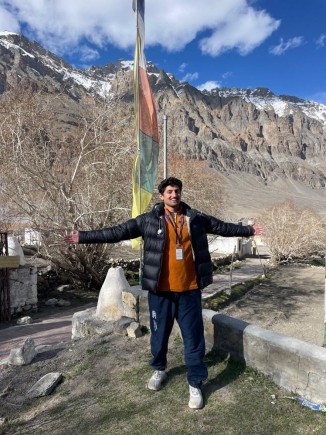
Conclusion:
I always thought that leaving Manali and returning to New Zealand would feel like waking up from a dream. Instead, it feels like Manali is where my dreams came true. I assessed and
managed patients in a rural setting in India. I became inspired by general surgeons operating in the Himalayas. I had the privilege of visiting Kaza, where I interacted with and cared for locals. I gained insight into rural healthcare in India.
Overall, I feel I could write 10 more pages or even record a podcast of all the clinical experiences I’ve had at LWH. I am so thankful for the opportunity to experience how healthcare is delivered in rural India. I’ve learnt a lot from the patients and clinicians in Manali and Kaza. These experiences will stay with me forever and will make me a better doctor. I hope I get to work in rural New Zealand and India one day as a surgeon!
References:
- Mishra T, Goswami S, Deval H, Vaid R, Kant R. Recent public health concerns of the high-altitude tribal population of Lahaul and Spiti, Himachal Pradesh. J Family Med Prim Care. 2023;12(4):660-665. doi:10.4103/jfmpc.jfmpc_1416_22.
- Zubair MY, Kamal D, Sathiyamoorthy RJP, Hashmi SS, Mehnaz S, Shafiq S. The rising burden of non-communicable diseases: global and Indian trends, risk factors, and socioeconomic implications. Indian J Public Health Res Dev. 2026;17(2):27-34.
- Nethan S, Sinha D, Mehrotra R. Non communicable disease risk factors and their trends in India. Asian Pac J Cancer Prev. 2017;18(7):2005-2010. doi:10.22034/APJCP.2017.18.7.2005.
- Press Information Bureau, Government of India. Update on NP-NCD [Internet]. New Delhi: Ministry of Health and Family Welfare; 2026 Mar 23 [cited 2026 May 29]. Available from: https://www.pib.gov.in/PressReleasePage.aspx?PRID=2243768®=3&lang=1
This write-up has been shared by Dhananjay, a medical student from New Zealand during his visit to Lady Willingdon Hospital, Manali.