

Birth, Bicycles, and Belief: A Journey into JCMB
A brief account of my experience at JCMB, Bokaro through the Rural Sensitisation Program
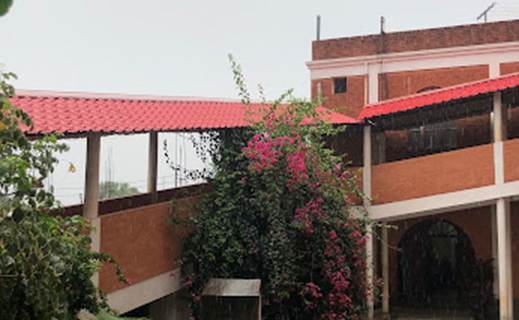
“Cycle seekhna padega” is what Mithila Devi (name changed) was told when she wanted to work at JCMB, to support her two young children after the passing of her husband.
And that is how I saw Jan Chetna Manch, Bokaro – a powerhouse of energetic, loving, and passionate women, empowering their world, one delivery at a time.
– The Journey –
It was the 19th of March when we left for a particularly tiring and gruesome journey of over 36 hours to Dhanbad, in Jharkhand. Our final destination was Chandankiyari, another 30 kms away from the railway station. We were greeted with a pleasant rain and a lush mountainscape, almost as if Jharkhand had readied itself for our arrival.
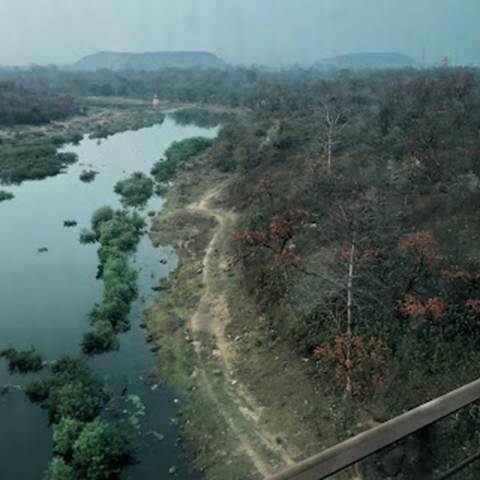
Our train journey lined by sprawling Palash trees. The camera unfortunately, does not do justice to the view
– About JCMB –
JCMB was born out of a necessity for accessible and dignified childbirth, and other quality healthcare services for rural women. Coming from humble beginnings, which was also funded by the women themselves ( through the Mahila Mandal – a self-help group of about 20 women in each village), JCMB now boasts a beautiful, self-sustaining facility offering an OPD, mental health clinic, sonography clinic, small baby rooms (adorable, I know), prenatal classes, and much more. And the best part, they don’t need doctors to run their hospital. “Pregnancy is not an illness; hence, we do not absolutely need doctors,” said Lindsay Barnes, who has been the impetus for this organisation since the beginning, along with her husband, Ranjan Ghosh.
Thus, it is the women running it that are the heart and soul of the facility. Armed with perseverance and bicycles, the Swasthya Sakhis sometimes pedal for over 20km to ensure quality healthcare for the pregnant women in the district, so they are up to date on their visits and medication. The nurses and healthcare workers take so much pride in what they do, not just delivering babies, but also keeping their hospital clean and functioning smoothly. The love for their work and community is so evident when they talk about “humara aspataal”. They say not having that “tag” or certification of a trained doctor or nurse makes them feel more responsible and accountable for every woman that walks through their doors. From referring women to nearby government hospitals at the first sign of trouble, to successfully bringing an 800 g baby to 2 kg within 3 months, their skills and confidence have only increased. During a conversation, one of the nurses exclaimed, “If we did the same things we did 20 years ago under the men of the family, we would still be in the darkness.”
Women find it a home away from home. A clean, supportive, and joyous space to give birth amongst their own. They are assured their agency and needs will be prioritized throughout the 9 months.
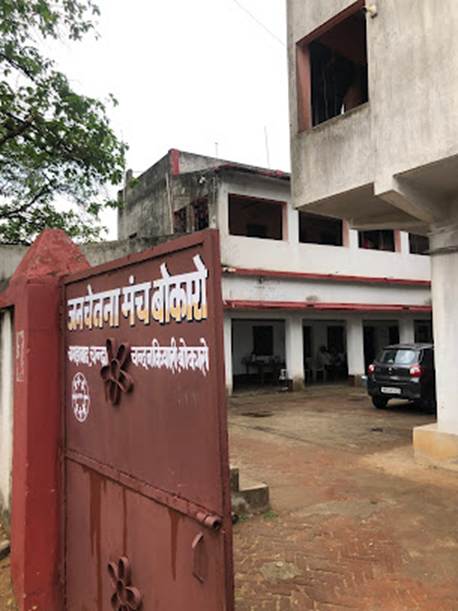
The older facility where we stayed for 3 days
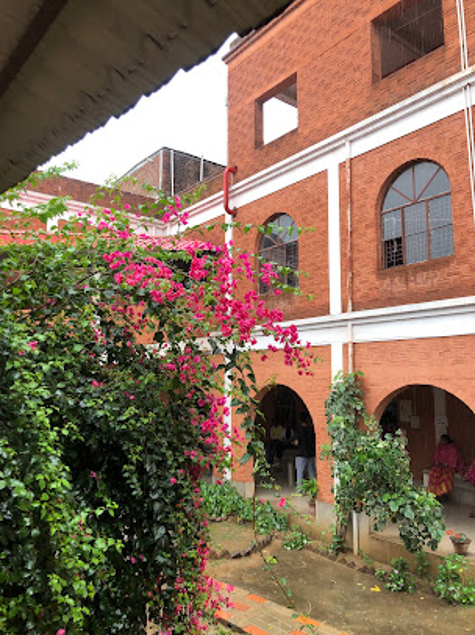
The beautiful new building
– My Insights and Key Takeaways –
1. The 3 days I spent at JCMB were shaped not just by the institution itself, but by the people I met through this experience. The discussions were fulfilling even in disagreements and encompassed such wide and relevant aspects of healthcare. As medical students, we often talk about the “determinants of health”. But to see the pages of a PSM textbook come alive in a real and unique healthcare setting such as this was truly unparalleled.
2. While most conversations about pregnancy are centred around the well-being of the child, it was refreshing to see the focus shift to the mother, and her physical and mental health for once.
3. Not having known much about JCMB prior to our visit, I was under the notion that the women responsible for everything right from delivering babies to taking care of the underweight preemies must have some sort of qualification or degree enabling them to do so.
This misconception was shattered on the first day itself. I understood that “learning by doing” may sound simple on paper but is a powerful practice in itself.
At the same time, I understood that the physical possession of a degree does not equate to knowledge, practice, and instinct.
4. Adversity begets creativity.
5. True meaning of “Community-led” – Like any other, well-meaning medical student that first joins a college, I too had a ‘Saviour Complex’ of sorts, an urge to feel needed and validated constantly.
But after 2 years, I have come to see that the role of any healthcare professional is not to treat disease and be worshipped for the bare minimum, but to empower the community to take control of their own health and needs. Programs, hospitals, and initiatives can become sustainable in the long run only if the community it is intended for is actively involved.
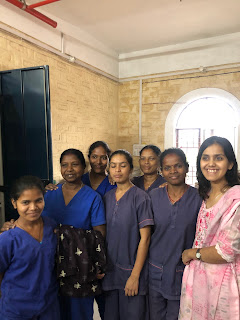
The Health Workers showing us the clothes they stitch for the babies. In fact, they do not let women stay in bed after giving birth, encouraging activity and movement. Stitching clothes for their new borns is one of the ways mothers keep themselves occupied.
– The End –
20 of us sat around in a circle, passing a ball of twine, holding on to a corner each. As everyone took turns speaking about what they wish to take away from this experience, I realised how the same 3 days had impacted each of us so differently and beautifully.
If you are a fellow RSP traveler reading this, I hope our divergent paths converge someday, and this shared experience serves as a catalyst for many more discussions and valuable insights.
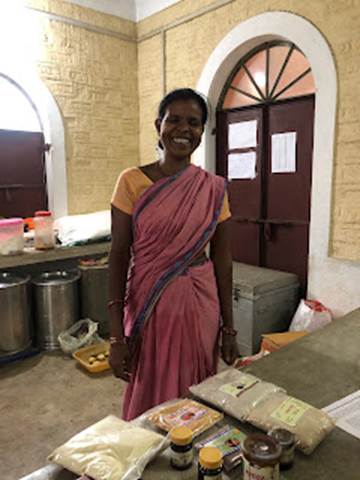
The Kitchen staff, not only run the canteen in the facility, but make a variety of healthy packaged foods and spices, such as the famous “Chetna laddoo”, a UTI remedy made of crushed Palash flowers, Chana Sattu, and much more.
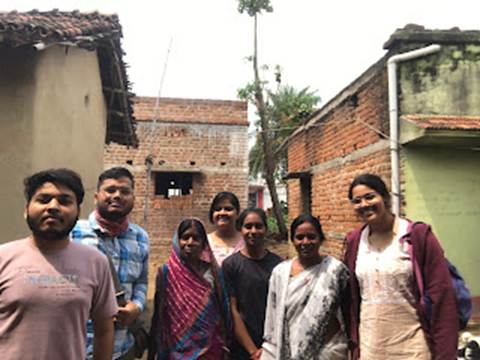
All smiles 🙂
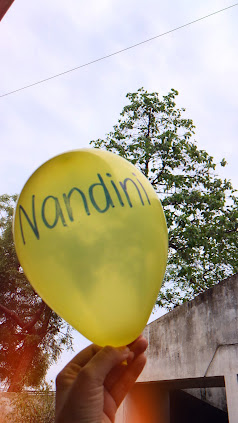
This article is written by Nandini Gogtay after attending an RSP in Jan Chetna Manch Bokaro in 2025. She is is a third-year MBBS student at Mahatma Gandhi Institute of Medical Sciences, Sewagram, with an interest in rural and public health. Alongside academics, she enjoys writing, learning more about research, and is involved in student-led volunteer work.