

Post RSI reflections, JCMB 2026
Rural Sensitisation Programme (RSP)
Jan Chetna Manch Bokaro, Chandankiyari, Bokaro, Jharkhand
March 27–29, 2026
The Rural Sensitisation Initiative (RSI) conducted at the Jan Chetna Manch Bokaro (JCMB), Chandankiyari, Bokaro, Jharkhand, from March 27-29, 2026, brought together a diverse cohort of 14 participants (10 from medical and 4 from non-medical backgrounds) with an interest in the healthcare sector. Over three immersive days, the programme sought to conduct a wide range of activities that deepened participants’ understanding of rural healthcare realities, community engagement, and the broader social determinants of health.
Key Resource Persons: Prabir Chatterjee, Amader Hospital, Bankura; Pravin Singarayar, Tribal Health Initiative, Sittlingi and Vania Dsouza, Social Development Professional
Day 1: Building Context and Understanding Systems
March 27th
The programme commenced on the morning of 27th March with an interactive energiser designed to build comfort and connection among participants. The activity encouraged individuals to share personal reflections ranging from their most cherished values to memorable childhood experiences, including challenges such as injuries.
While participants were initially hesitant, the session quickly evolved into an open and engaging exchange. Notably, interactions continued organically even beyond the allotted time, indicating a high level of participant involvement. This early engagement played a critical role in fostering camaraderie, trust, and openness, laying a strong foundation for collaborative learning and meaningful participation throughout the programme.
We also had our youngest participant – 3-month-old Shreenika who showed up with her parents and a clear commitment to early intellectual investment. Safe to say, she may not remember the sessions, but she definitely set a record for the earliest enrollment. She however did not participate in the introductions session.
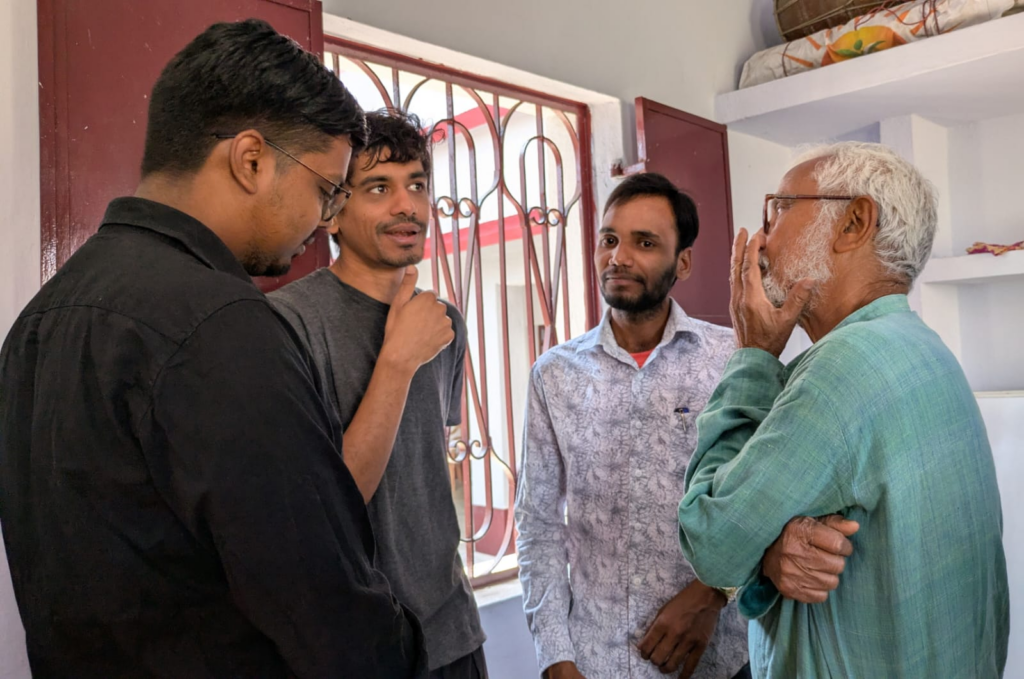
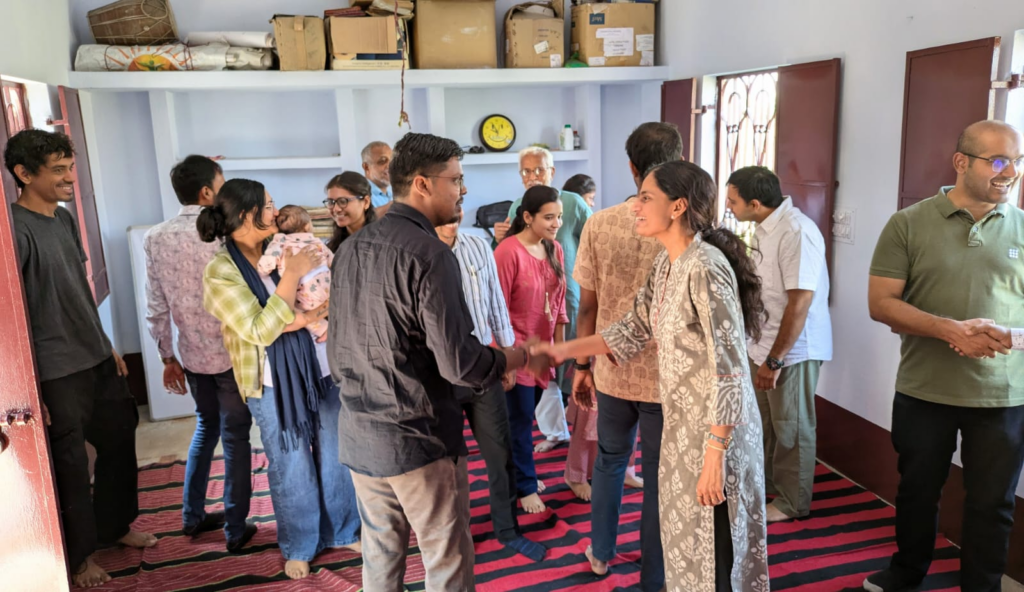
The Ice-Breaker Session for long-lasting connections and memories!
Photo taken at JCMB, Chandankiyari, Bokaro
The programme then transitioned to a guided reflective exercise in which participants were invited to reflect on the question: “What has brought you here?” Each participant shared their personal journey, motivations, and expectations from the programme. This session deepened mutual understanding within the group and reinforced a sense of shared purpose.
Building on this reflective foundation, Vania facilitated a discussion around “Shooting an Elephant” by George Orwell. Participants took turns reading sections of the text, followed by a moderated dialogue that encouraged critical thinking and ethical reflection.
The discussion explored complex and relevant questions such as:
- Why do healthcare providers sometimes refer patients onward or defer responsibility?
- In what ways does the healthcare system shape behaviour and decision-making?
- How can systems simultaneously dehumanise both those in positions of authority and those they serve?
- Who holds the power?
This session was instrumental in prompting participants to examine power dynamics, systemic constraints, and ethical dilemmas in healthcare, linking literary reflection to real-world rural health challenges.
Following the initial engagement activities, the programme moved into a deeply reflective and intellectually stimulating phase.
Lindsay provided a comprehensive overview of the organisation’s journey and the maternal & childcare facility – Chetna Mahila Swasthya Kendra. She shared the historical context of CMSK’s establishment, her personal motivations, the aspirations that guide the organisation, and the structural and operational challenges faced in delivering healthcare in resource-constrained settings. Importantly, the session also opened up a dialogue on what more can be done to strengthen such models of care. The floor then opened up for discussions with the health workers also who shared their journey, their aspirations, their work, the challenges they face and how they manage to do it all!!
Post-lunch, participants were re-energised through interactive activities, followed by a structured group exercise. Participants were divided into five groups and engaged in a critical discussion, distinguishing between:
- What they want to learn, and
- What they want to unlearn from their current educational systems
Key themes that emerged included:
- To Learn: financial literacy, practical clinical knowledge, local language skills, and legal awareness
- To Unlearn: rote learning, excessive competition, and procrastination
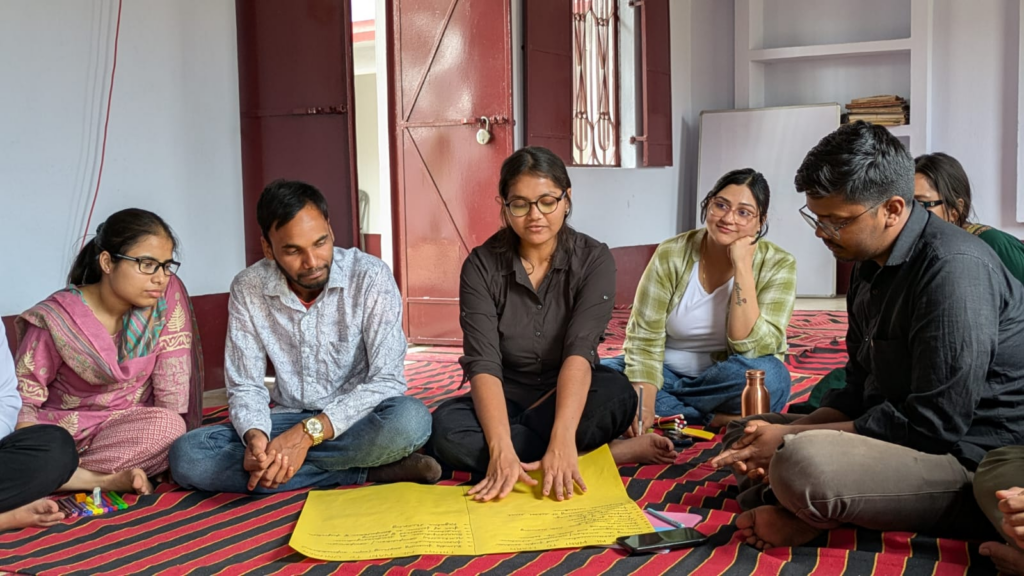
During the Interactive Group Activity Session
Photo taken at JCMB, Chandankiyari, Bokaro
This exercise was effectively linked to broader discussions on how education shapes healthcare practice, particularly in rural and underserved contexts.
The day concluded with a field orientation, preparing participants for immersive community engagement on Day 2.
Day 2: Community Immersion and Field Learning
March 28th
The second day focused on experiential learning through field immersion. Participants were divided into five groups and assigned thematic lenses to understand the social determinants of health:
- Education
- Class and caste
- Affordability and access
- Gender
- Livelihood
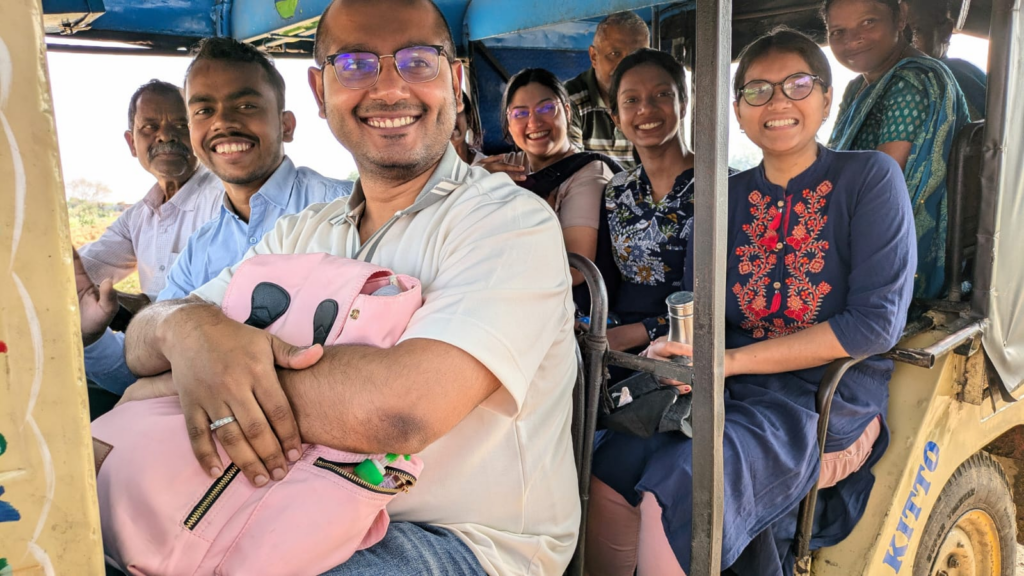
On the way for field visit
Photo taken at JCMB, Chandankiyari, Bokaro
Accompanied by CMSK’s community health workers, participants visited households across five villages from approximately 8:00 AM to 12:00 PM. Through guided conversations and observations, they explored how these social determinants directly influence health outcomes.
Following the village visits, participants visited the CMSK healthcare facility, where they received a structured orientation to the hospital’s operations. The visit was intentionally scheduled to align with outpatient hours, allowing participants to observe real-time patient interactions, family dynamics, and care processes.
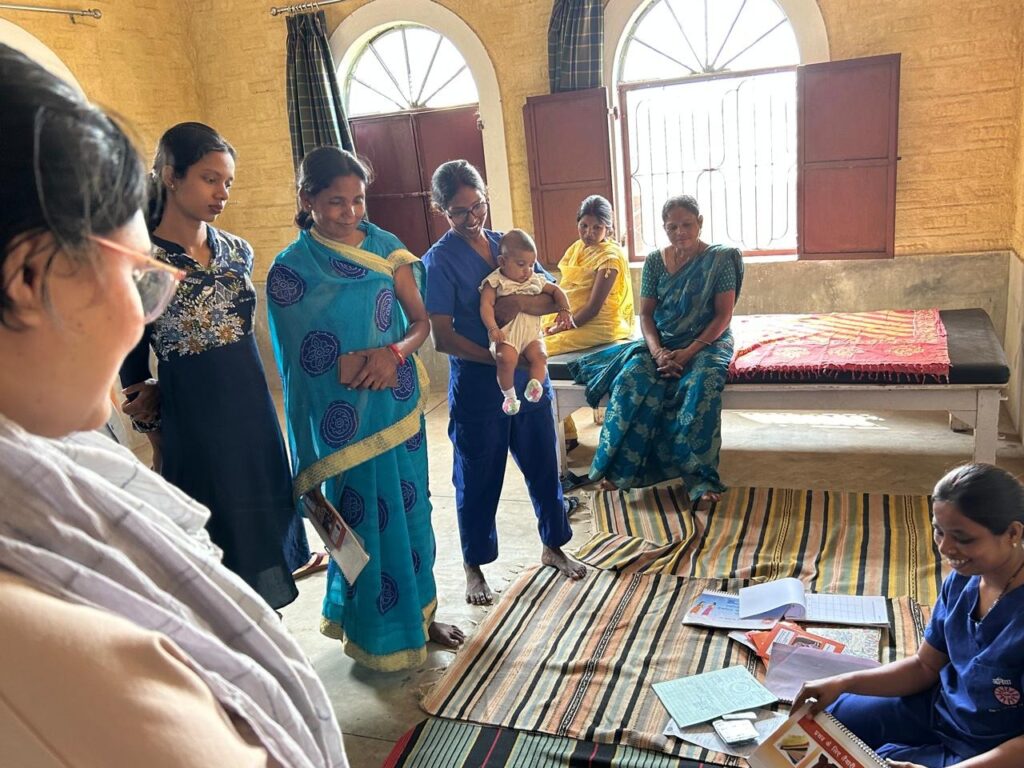
In the Counselling Session at CMSK
Photo taken at JCMB, Chandankiyari, Bokaro
In the afternoon, participants engaged in group presentations and reflective discussions, synthesising their field observations. These were presented through charts and thematic analyses. Discussions were facilitated by Vania, Pravin, Prabir, and Lindsay, whose insights helped connect field realities with systemic healthcare challenges.
The day concluded with a cultural interaction with the Santhali community, providing participants with a deeper appreciation of indigenous identities, traditions, and their intersections with health and wellbeing. The Santhali dance brought in all – members of the community, the participants, the organisers and almost everyone danced together.
_______________
Day 3: Reflection, Reframing, and Way Forward
The third day began with a powerful experiential activity — the “Walk of Privilege”. Participants were assigned diverse social scenarios, including:
- A young orphan
- A queer actor
- An urban sex worker with children
- A rural farmer with a large family and others to name a few
Through this activity, participants physically experienced how social positioning influences opportunity, access, and life outcomes. The central takeaway from this exercise was: Privilege is directly proportional to responsibility.
This was followed by an in-depth discussion on:
- The roots and persistence of inequality
- Populations most affected
- Pathways to building a more equitable society
Participants collectively reflected on the need to create a society where no individual feels disadvantaged or ashamed due to their circumstances of birth.
The highlight of the 3-day programme? The legendary mulberry cake by our host Lindsay – an RSP tradition at JCMB that has clearly achieved institutional status at this point. Honestly, if nothing else convinces you, this should. Register accordingly 😉
Later in the day, Prabir conducted a Grand Rounds session, using real-world case discussions grounded in rural healthcare settings. Participants engaged in structured clinical reasoning, covering:
- Case selection and context
- Assessment and investigation
- Diagnosis and intervention strategies
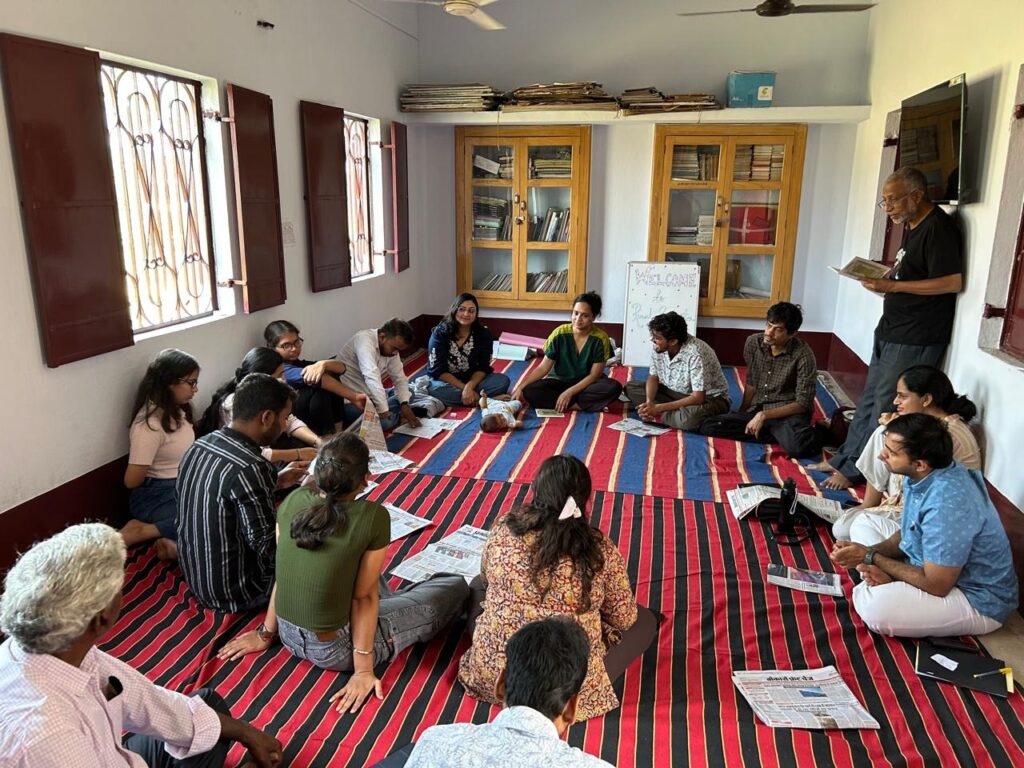
The Grand Rounds
Photo taken at JCMB, Chandankiyari, Bokaro
Significant cases such as the suicide of a student, the LPG issue and others were discussed in depth. Each participant presented their perspectives, followed by guided inputs linking healthcare practice to broader constitutional and systemic frameworks.
After this activity, three groups were formed to address three questions: what they liked about the hospital; what they could improve and what they found respectful in maternal care. Each group was given 10 minutes to come up with the points and pass on their charts to the next group when the time was up. Subsequently, there was a discussion about the hospital visit earlier. Lindsay shared her valuable insights into the operations that emerged through the discussion. Post this session, participants were encouraged to share their experience.
Participants’ Impression of the Programme
Raja Babu, a 4th year Medical Student from AIIMS, Deogarh writes –
“Empowered Rural Health, Empowered Nation” ✊
“Grateful to once again be a part of the Rural Sensitization Initiative 2026. Returning this year has not only reinforced my previous learnings but also deepened my understanding of healthcare accessibility, affordability, and the real challenges faced in rural communities.This continued journey has been incredibly enriching-engaging closely with communities, reassessing healthcare gaps, and exploring practical, sustainable solutions that can truly make a difference at the grassroots level.
A heartfelt appreciation to Jan Chetna Manch Bokaro (JCMB) for their unwavering commitment towards strengthening maternal health, promoting social obstetrics, and advocating for safe normal vaginal deliveries in rural areas. Their consistent efforts in community awareness, preventive healthcare, and ensuring quality medical services continue to inspire.
Revisiting these communities and experiences has further strengthened my belief in the power of grassroots interventions in transforming our healthcare system. Looking forward to applying these insights more effectively and contributing towards meaningful, long-term impact.”
—————————————–
Mohit Joshi, MBBS from Mahavir Institute of Medical Sciences, Vikarabad writes –
“On an account of World Health Day today, got an opportunity to speak about Social Determinants of Healthcare and share my experience of RSI 2026 with all my fellow interns,juniors and faculty..It was truly a lovely session and they appreciated of what JCMB and RHN is doing towards the Rural Healthcare..
Thank you so much for giving us this opportunity to be a part of RSI and experience everything on grassroots level🥰🥰
Programme Closure and Reflection
The programme concluded with a collective reflection session, where participants revisited their initial expectations and assessed their learning over the three days. The reflections highlighted:
- A significant shift in perception regarding rural healthcare
- Increased awareness of systemic challenges
- A deeper sense of responsibility towards equitable healthcare delivery
The programme ended with expressions of gratitude towards the resource persons, participants, and support staff who contributed to the success of the workshop.
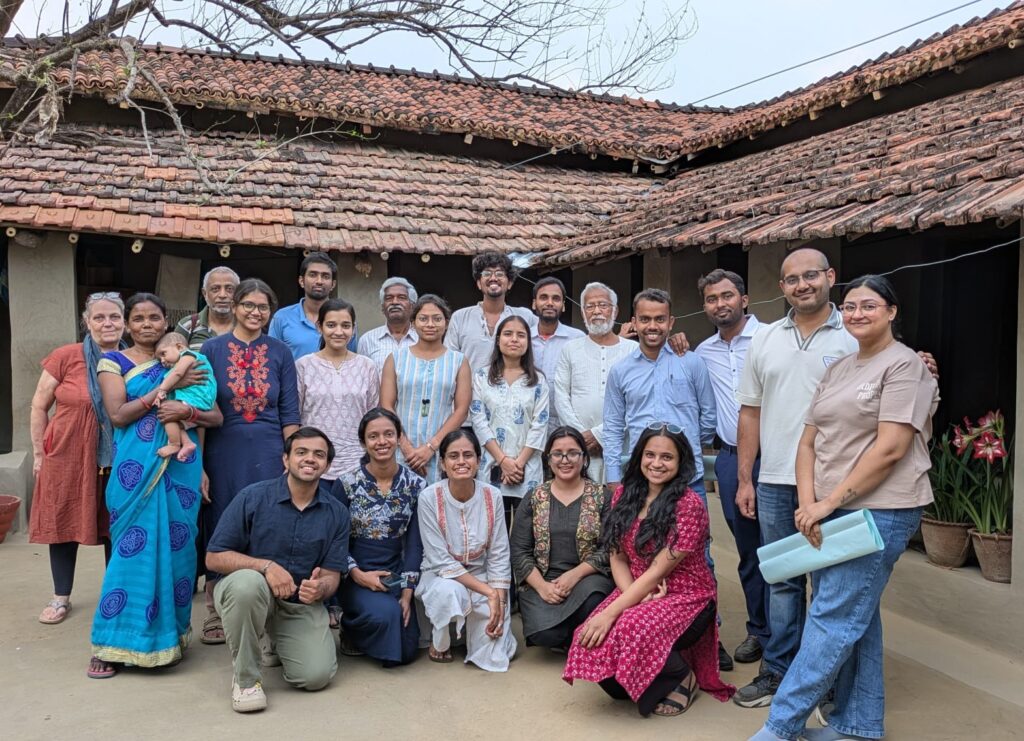
The Mandatory Group Picture
Photo taken at JCMB, Chandankiyari, Bokaro
Report by Arunima for Rural Hospital Network